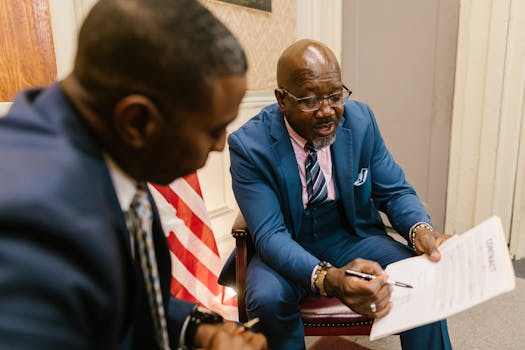

Imagine this: your entire life, your freedom, your reputation – all hanging precariously in the balance. The courtroom can feel like a foreign land, filled with jargon, procedures, and high-stakes decisions. In those moments, who do you turn to? More often than not, it’s a criminal trial lawyer. They’re not just lawyers; they’re your shield, your strategist, and your voice when you need it most. But what exactly does a criminal trial lawyer do? It’s far more intricate and critical than many people realize.
Beyond the Courtroom Drama: What a Criminal Trial Lawyer Actually Does
When you see them on TV, they’re often delivering impassioned closing arguments or cross-examining witnesses with steely resolve. While that’s certainly a part of it, the life of a criminal trial lawyer is a marathon, not a sprint, and a huge chunk of the race happens long before anyone steps into the courtroom for a trial.
Think of it this way: a skilled surgeon doesn’t just walk into the operating room and start cutting. They meticulously plan, study, and prepare. A criminal trial lawyer does much the same. Their work involves:
Deep Dive Investigations: This means going beyond the police reports. They’ll interview witnesses, sometimes multiple times, revisit crime scenes, and gather any evidence that might support your defense. This can involve looking for inconsistencies, challenging the prosecution’s narrative, and uncovering new leads.
Legal Research Mastery: The law is a complex beast, constantly evolving. A good trial lawyer needs to know the statutes, case precedents, and procedural rules inside and out. They’re constantly researching to find the strongest legal arguments for your specific situation.
Strategic Planning: Every case is unique. A lawyer needs to assess the strengths and weaknesses of both the prosecution’s case and the defense. Based on this, they develop a comprehensive strategy. This includes deciding what evidence to present, which witnesses to call, and how to best challenge the evidence against you.
It’s this behind-the-scenes preparation that often makes the difference between a favorable outcome and a devastating one.
Navigating the Legal Maze: The Crucial Role of a Defense Attorney
When faced with criminal charges, the weight of the world can feel like it’s on your shoulders. This is where a dedicated criminal trial lawyer becomes indispensable. They are your advocate, fighting to protect your rights and ensure you receive a fair trial.
#### Understanding Your Rights: The Foundation of Defense
One of the most fundamental roles of a criminal trial lawyer is to ensure your constitutional rights are upheld. This includes:
The Right to Remain Silent: You don’t have to incriminate yourself. Your lawyer will advise you on what to say and what not to say to law enforcement.
The Right to Legal Counsel: You have the right to an attorney. If you can’t afford one, the court will appoint one, but choosing a private lawyer can often mean more individualized attention and resources.
Protection Against Unreasonable Searches and Seizures: Your lawyer will scrutinize how evidence was obtained and challenge any violations of your Fourth Amendment rights.
In my experience, many people underestimate the power of these rights until they are in jeopardy. A knowledgeable lawyer ensures these protections aren’t just theoretical, but actively enforced in your case.
#### Building the Defense: Strategies and Tactics
So, what does building a defense look like in practice? It can involve a variety of approaches:
Challenging Evidence: Is the evidence against you legally obtained? Are the forensics reliable? Your lawyer will look for any cracks in the prosecution’s presented proof.
Presenting Alibis or Affirmative Defenses: If you weren’t present, or if there are other legal justifications for your actions (like self-defense), your lawyer will work to present this evidence effectively.
Negotiating Plea Bargains: Sometimes, the best course of action involves negotiating with the prosecution for a reduced charge or sentence. This requires skillful negotiation and a clear understanding of the potential outcomes of a trial. This is a nuanced skill, not just a simple handshake.
The Trial Itself: Where Strategy Meets Performance
This is the stage most people associate with criminal trial lawyers. It’s intense, demanding, and requires a unique blend of intellect, composure, and persuasive skill.
#### Jury Selection: The Art of Picking Twelve
Voir Dire: The process of questioning potential jurors is critical. Your lawyer will try to identify individuals who are fair and unbiased, and who can set aside any preconceived notions. They’re looking for jurors who will listen to the evidence objectively.
Striking Jurors: Based on their questioning, lawyers will “strike” potential jurors who they believe would be unfavorable to their case. This is a delicate strategic dance.
#### Presenting Your Case: The Prosecution and the Defense
Opening Statements: This is the first impression. Lawyers lay out their theory of the case and what they intend to prove.
Presenting Evidence and Witnesses: This is where the investigation and research pay off. Lawyers will call their witnesses to the stand and introduce evidence.
Cross-Examination: This is often where the truth, or lack thereof, is revealed. Your lawyer will question the prosecution’s witnesses to highlight inconsistencies, biases, or weaknesses in their testimony. It’s a high-wire act that requires immense skill.
Closing Arguments: This is the final opportunity to persuade the jury. Lawyers summarize the evidence, remind the jury of key points, and argue why their client should be found not guilty.
It’s fascinating to watch experienced trial lawyers weave complex narratives and dismantle opposing arguments. It’s a performance, yes, but one rooted in deep legal understanding and strategic foresight.
The Nuances of Choosing Your Champion
Not all criminal trial lawyers are created equal. When you’re facing charges, selecting the right one is paramount. What should you look for?
Experience in Your Specific Type of Case: A lawyer who specializes in DUI defense might not be the best choice for a complex white-collar crime. Look for attorneys with a proven track record in the area of law relevant to your charges.
Communication Style: Do you feel comfortable talking to them? Do they explain things in a way you understand? You need to trust your lawyer and feel confident they’re listening to you.
Reputation and Resources: What do former clients say? Do they have the necessary resources (investigators, expert witnesses) to build a strong defense?
It’s important to remember that finding a good criminal trial lawyer isn’t just about finding someone who knows the law; it’s about finding someone who will fight for you with everything they’ve got.
Wrapping Up: More Than Just a Defense
Ultimately, a criminal trial lawyer is more than just an attorney. They are an essential pillar of justice, ensuring that even in the face of serious accusations, every individual has the opportunity to present their side and have their rights protected. Their dedication, legal acumen, and strategic prowess are critical in navigating the complexities of the criminal justice system. If you ever find yourself in a position where your freedom is at stake, the value of an experienced and capable criminal trial lawyer cannot be overstated. They are, in essence, the guardians of due process for those accused.